Inspired by an Aussie bakery classic, these pull-apart cheesy pesto scrolls are on heavy rotation this soup season. Made with a simple yeast dough, they’re swirled with herby pesto, sharp parmesan, and gooey mozzarella for layers of savoury flavour and a satisfying cheese pull. Easily customisable and perfect for lunchboxes, grabbing on the go, or serving alongside cosy comfort meals.
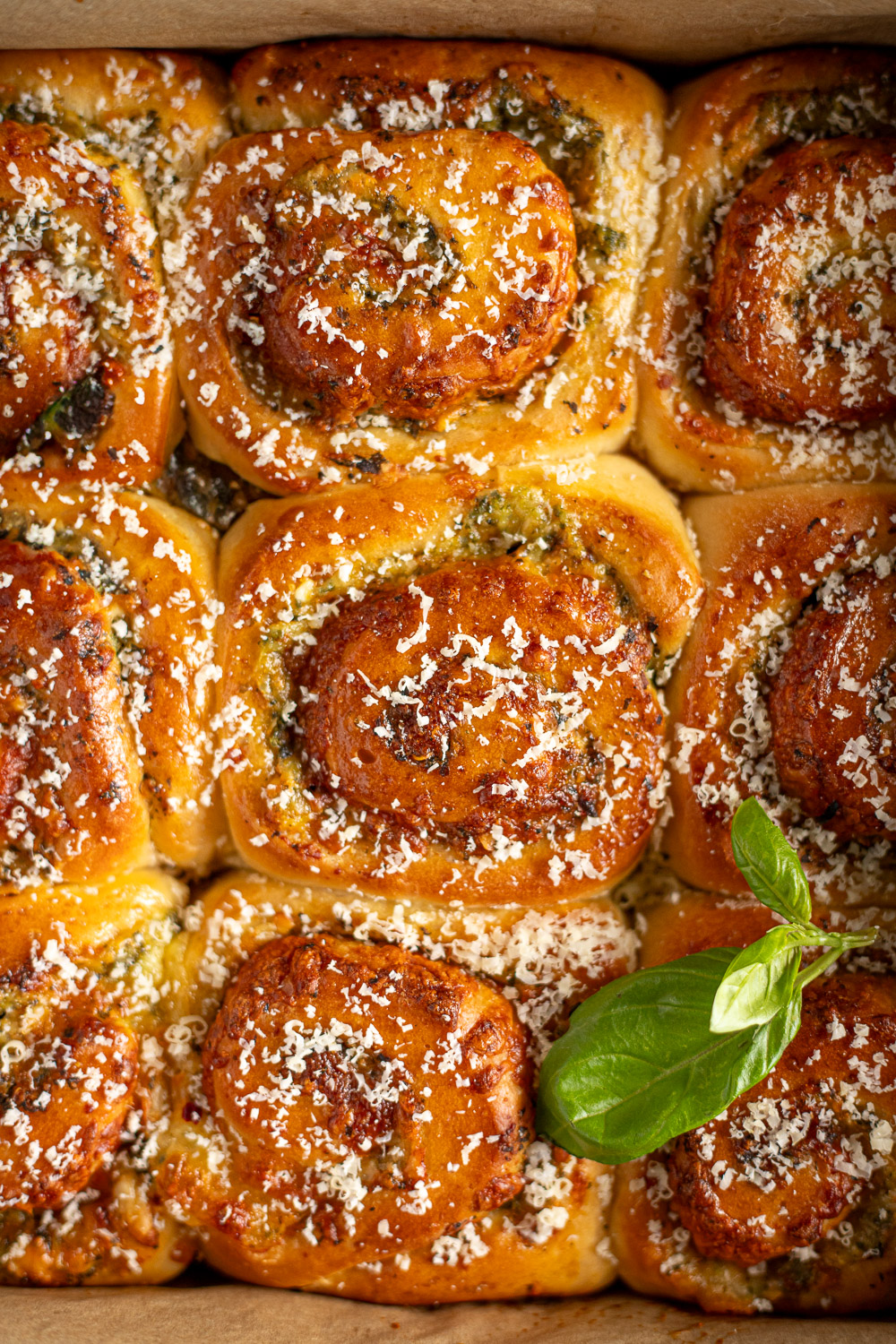
Move over, Cheesymite scrolls! These cheesy pesto scrolls might just have Bakers Delight shaking in their boots.
It doesn’t get much better than cheese, herbs, and the bread. And don’t get me started on the golden, crispy bits on top. I’m just gonna let the photos do the talking…
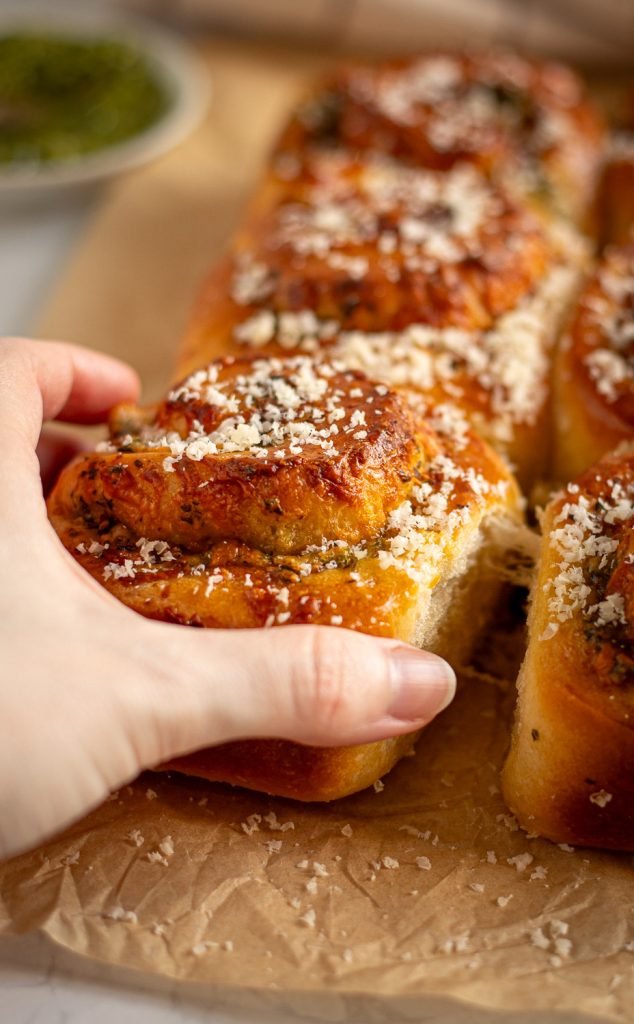
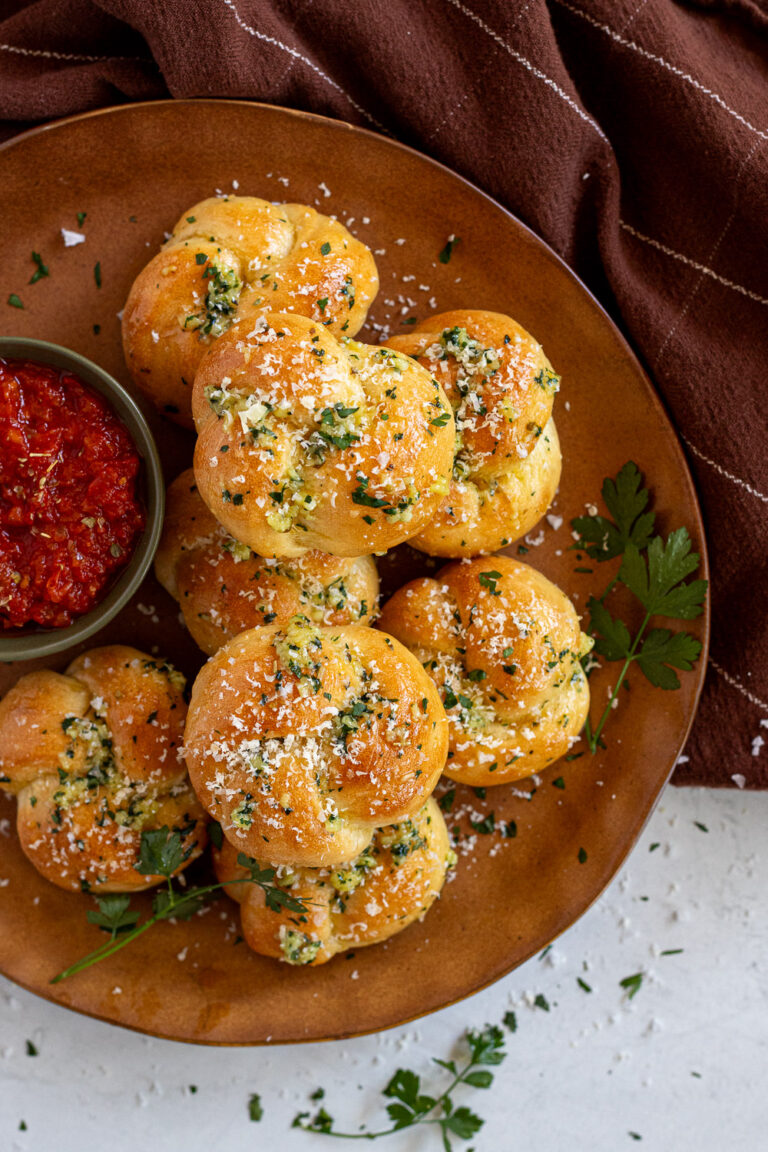
These scrolls are made with a simple yeast dough derived from my homemade garlic knots recipe. However, they’re enriched with an egg and an extra egg yolk for an ultra-pillowy texture that makes them so fun to pull apart.
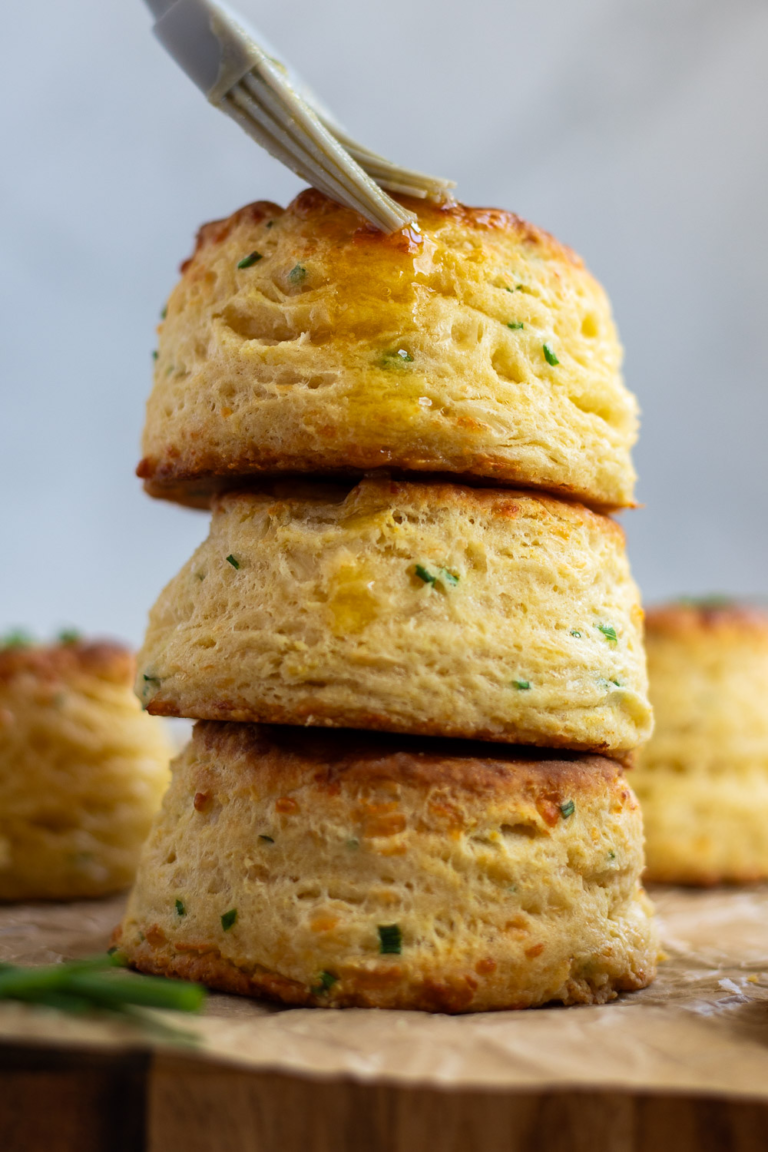
Short on time? If you’re after a quick, no-yeast savoury bake instead, check out my cheddar chive buttermilk biscuits!
Scrolls vs Rolls: What’s the Difference?
Rolls are typically soft, fluffy ball-shaped breads, like dinner rolls or bread rolls. Scrolls, however, are all about the shape.
Scrolls are made by rolling out dough or pastry, adding a filling, rolling it back up into a log, and slicing it into spirals. They can be sweet, like cinnamon scrolls, or savoury, like these cheesy pesto scrolls!
While not a uniquely Australian invention, we call them scrolls Down Under because they look like the end of an old timey paper scroll. Depending on where you’re from, you might know them as whirls, swirls, pinwheels, or escargot.
Ingredient Notes
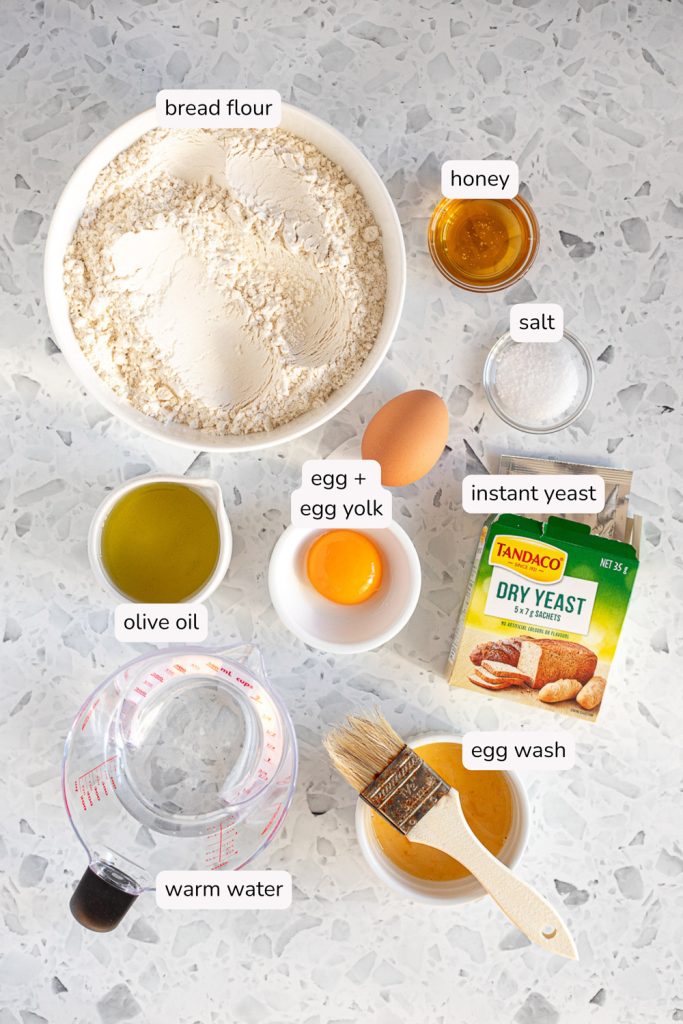
For the dough
- Bread flour: Bread flour is a high-protein flour that encourages better gluten development, giving the dough more strength and elasticity. You can absolutely make these with plain, all-purpose (AP) flour if that’s what you have — I tested this recipe with both, and both versions turned out pillowy soft and delicious. However, the scrolls made with bread flour had a better rise and a slightly chewy outer layer that the all-purpose flour couldn’t quite replicate.
TL;DR: If you want scrolls that look and taste like they came from an artisanal bakery, it’s worth investing in a bag of bread flour. - Instant yeast: Also sold as rapid-rise or quick-rise yeast. Check the packet to ensure it can be mixed straight into the dry ingredients without needing to be activated (foamed in warm water) first. Active dry yeast can also be used — see the recipe notes for instructions!
- Salt: Essential for flavour (we’re making savoury scrolls after all 😉).
- Honey: I love using honey in yeast doughs because it helps breads to brown better than regular sugar.
- Olive oil: This adds flavour and acts as a natural preservative, keeping the scrolls soft and moist for longer.
- Egg + egg yolk: The extra egg yolk contributes to a super-soft crumb. Separate the yolk from the whites while the eggs are still cold (it’s much easier this way), then let it come to room temperature along with the whole egg.
- Warm water: Yeast thrives in warm environment, so using warm water (around 38-43°C/100-110°F) helps speed up the rising process. Just make sure the water isn’t hot to the touch as this can have the opposite effect and kill your yeast!
- Egg wash: Brush on the dough before baking for a shiny, golden finish!
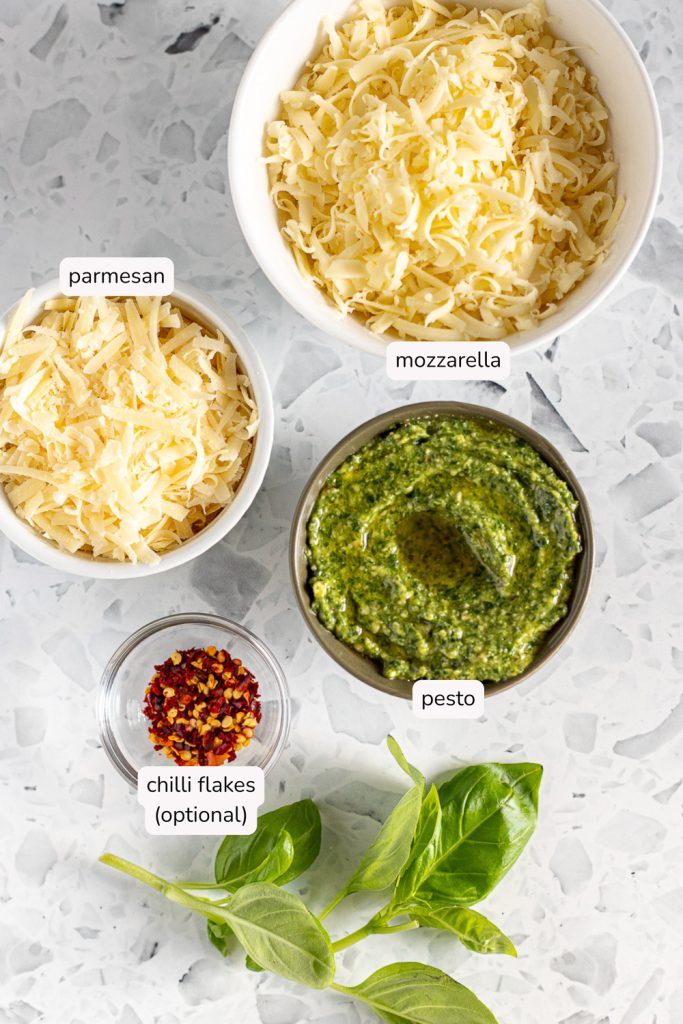
For the filling
- Pesto: Use your favourite homemade pesto or a good-quality store-bought version. Classic basil pesto is my go-to, but a red pesto (like sun-dried tomato) would work too.
Tips for store-bought pesto: Make sure to drain off any excess oil that’s floating on top as this can seep into the dough and make it greasy. I also like to sprinkle some chopped basil over the pesto layer to help freshen things up. - Parmesan: Please buy a block and grate it yourself! Pre-grated cheeses are coated in anti-caking agents which prevent them from melting properly.
- Mozzarella: Same rules apply here — grate your own! ☺️ Use a firm, low-moisture mozzarella, and not the soft kind that comes in a brine.
- Chilli flakes (optional): I’m a chilli addict, so I like a good shake of chilli flakes for a bit of heat. Feel free to adjust this to taste or skip altogether.
*For the full list of ingredients with measurements, see the recipe card below
Add-ins & Variations
The beauty of these cheesy pesto scrolls is that you can customise them with your favourite savoury fillings. Just be careful not to overload them or add ingredients that are too wet or oily, as this might make the dough soggy.
Here are a few suggestions:
- halved kalamata olives
- sun-dried tomatoes (drained of excess oil)
- crumbled feta
- shredded cooked chicken
- caramelised onions
- diced prosciutto
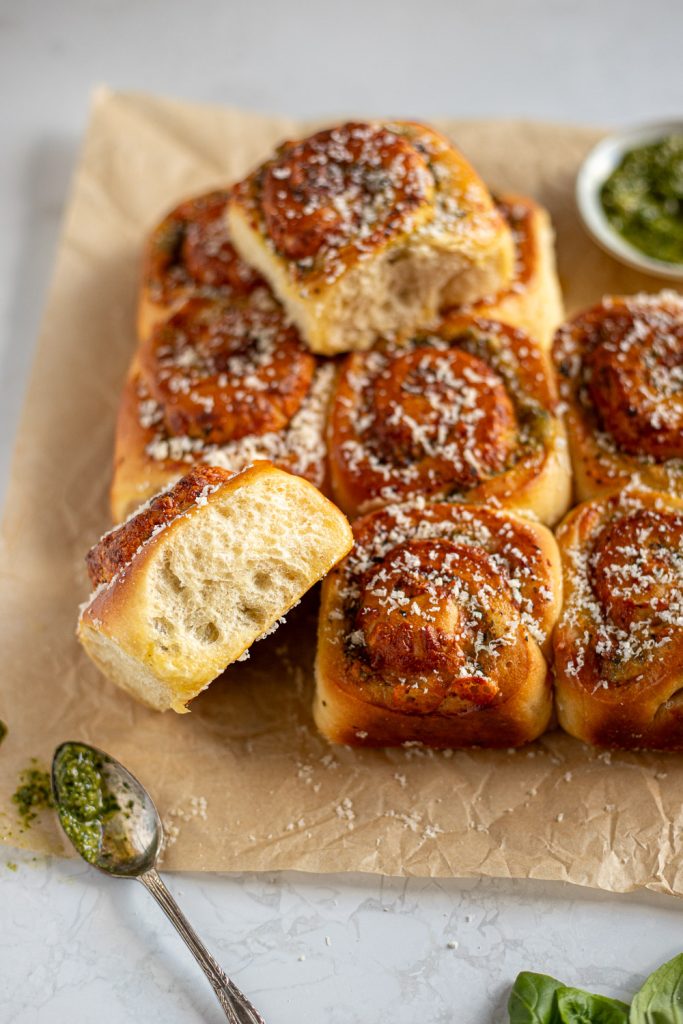
How to Make Cheesy Pesto Scrolls
These scrolls take about 3 hours from start to finish, but don’t let that put you off! There’s only about 30 minutes of hands-on work — the rest is simply waiting for the dough to rise. If you have a stand mixer, use it! Otherwise, kneading the dough by hand is completely doable.
Make the dough
1. Dump + mix – Add the bread flour to a large bowl or the bowl of a stand mixer, then add the salt and yeast to opposite sides of the bowl (direct contact with salt can damage the yeast). Dump in the rest of the dough ingredients and give everything a mix to form a rough, shaggy ball.
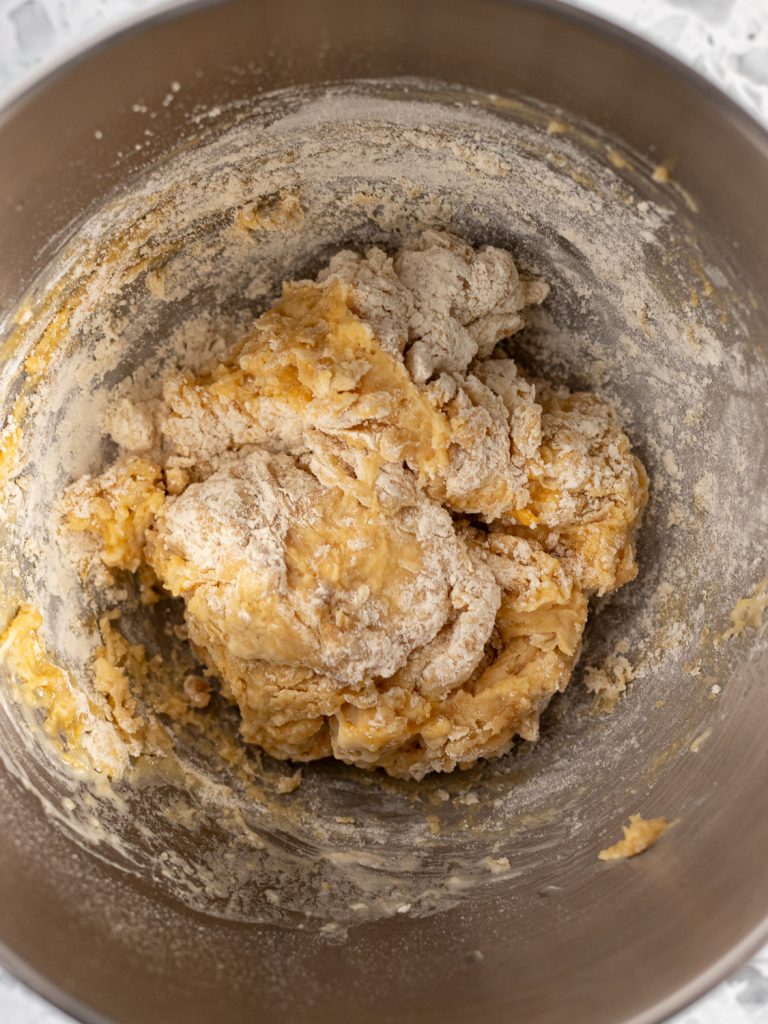
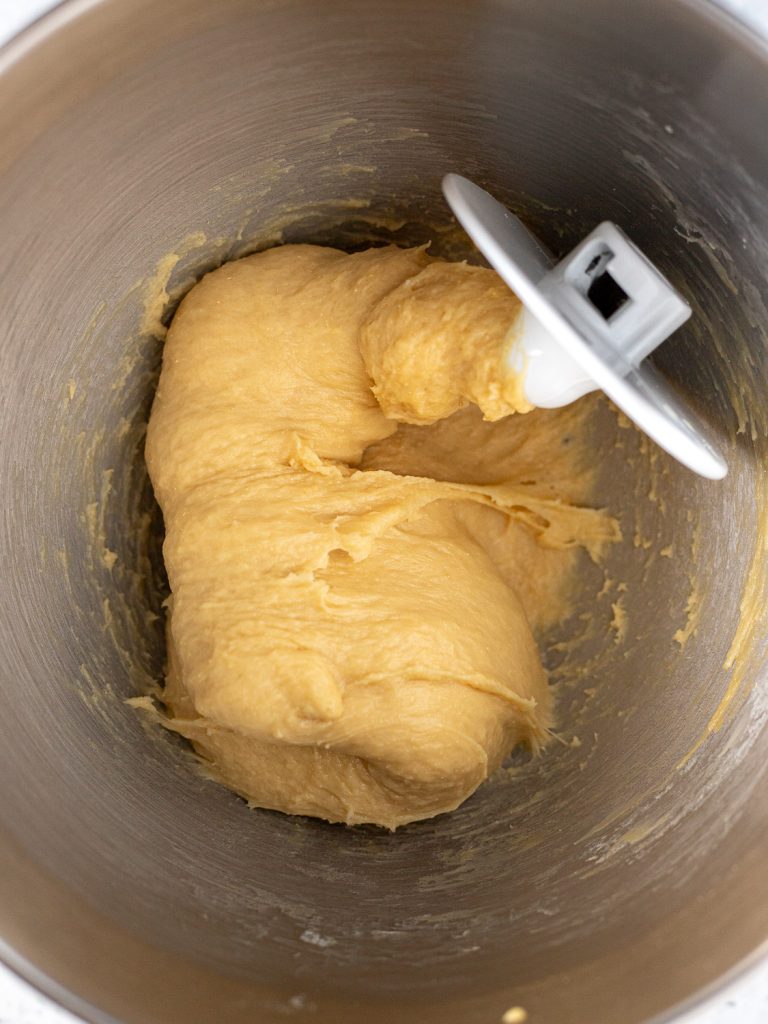
2. Knead – Knead the dough until it becomes smooth and elastic. If you’re kneading by hand, do this on a lightly floured work surface. It will take about 12–15 minutes (possibly longer). Alternatively, use a stand mixer fitted with the dough hook and knead for about 8–12 minutes on low speed. The dough will be wet and sticky at first, but it will become less sticky as the gluten develops.
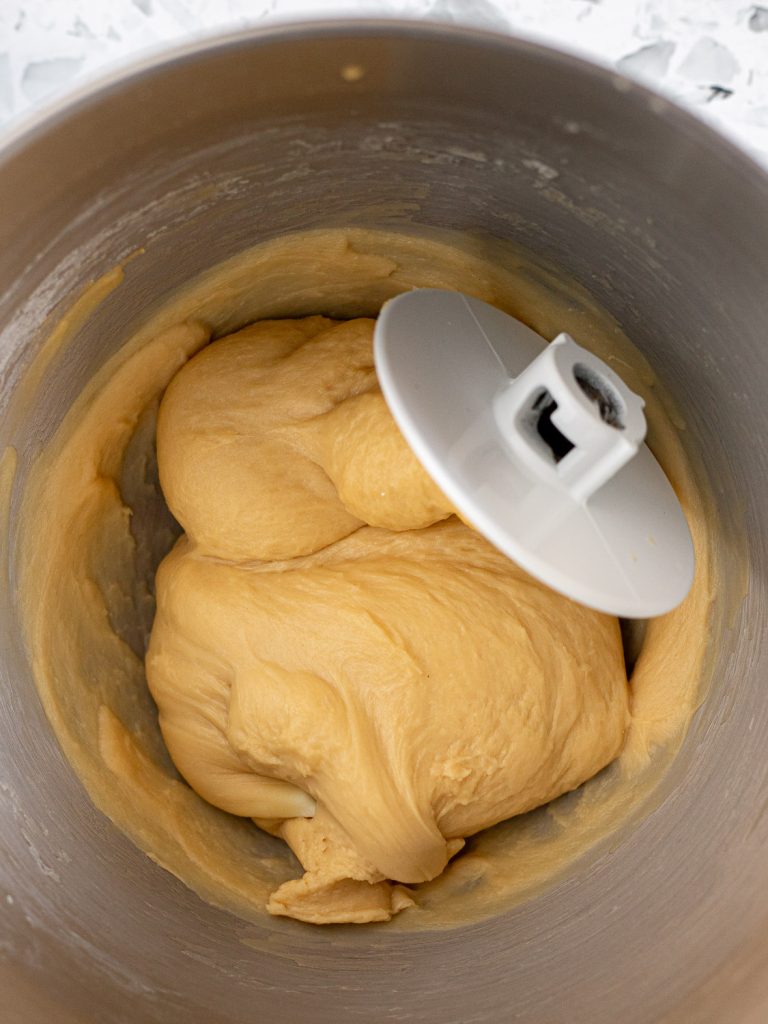
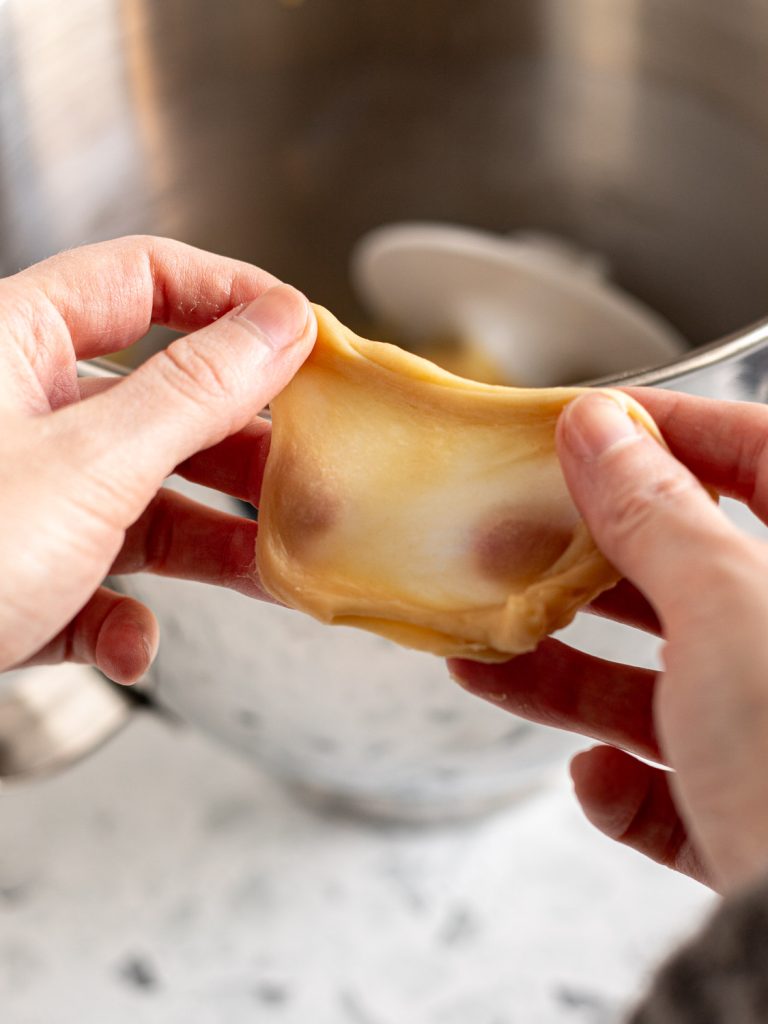
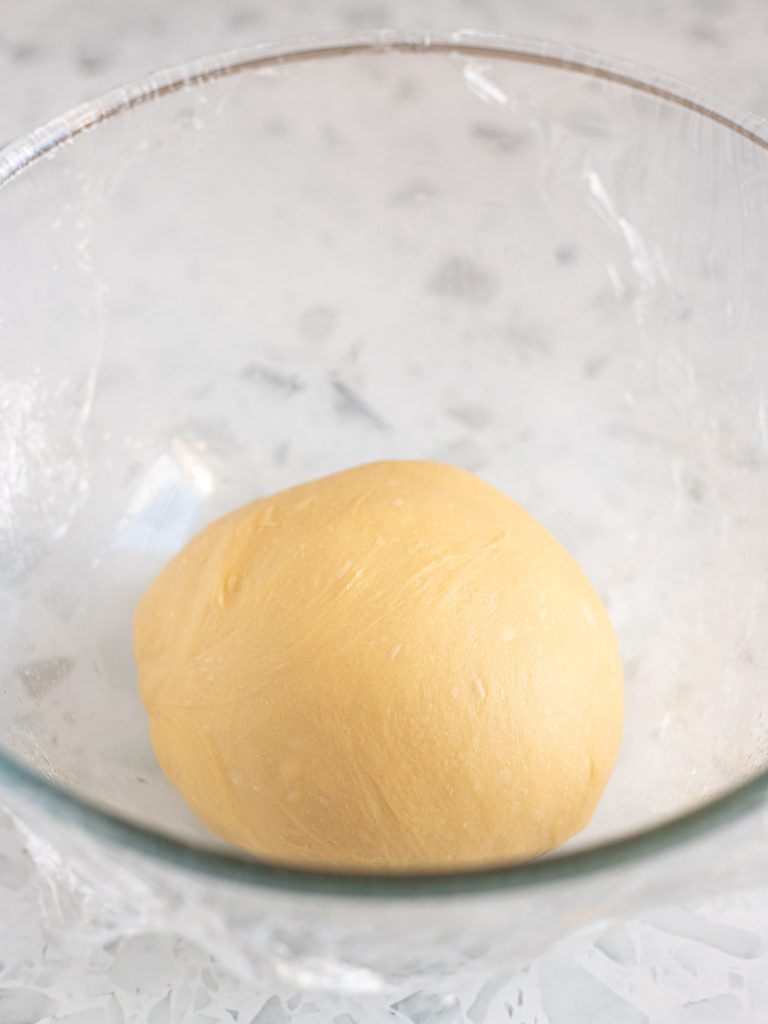
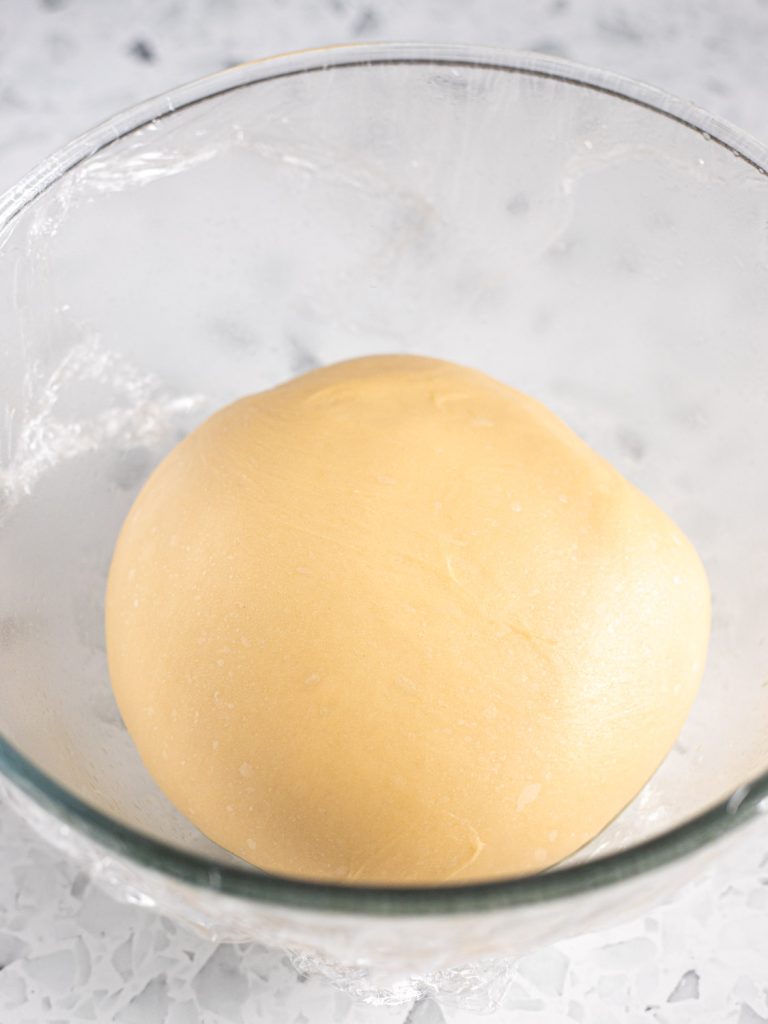
3. Rise #1 – Place the dough in a lightly oiled bowl and cover with cling film or a damp kitchen towel. Let it rise in a warm spot for about 1 hour, or until doubled in size. This may take a little longer if you’re using active dry yeast or if your kitchen is cool.
Assemble the scrolls
1. Prep the tin – Line a 23 cm (9-inch) square baking tin with parchment paper. I like to criss-cross 2 pieces of parchment so there’s overhang on every side.
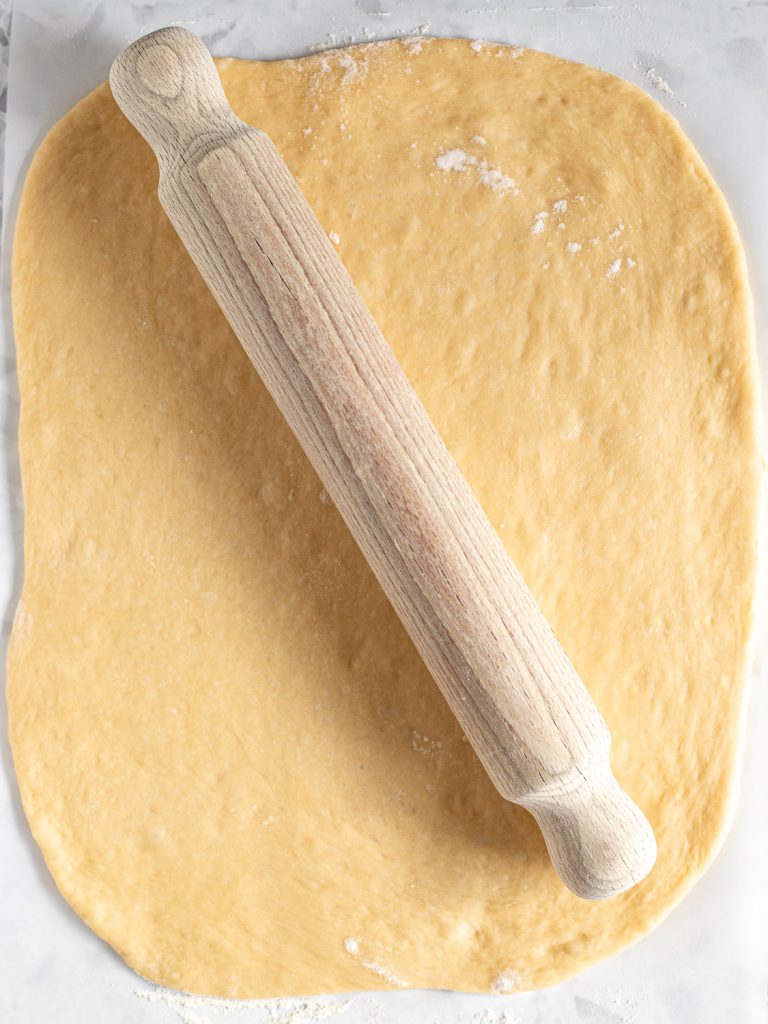
2. Roll out – Deflate the dough, then scrape it out onto a lightly floured sheet of parchment paper. Use your hands to stretch it into a rough rectangle, then roll it out to roughly 25 x 30 cm (10 x 12 in). This doesn’t need to be exact!
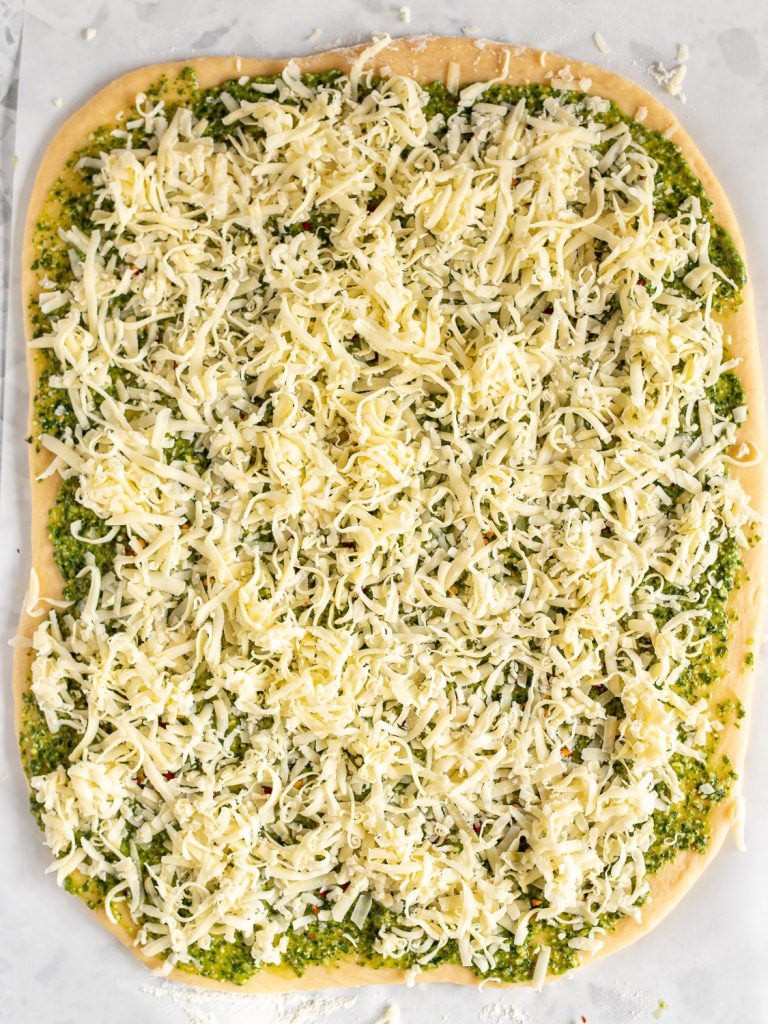
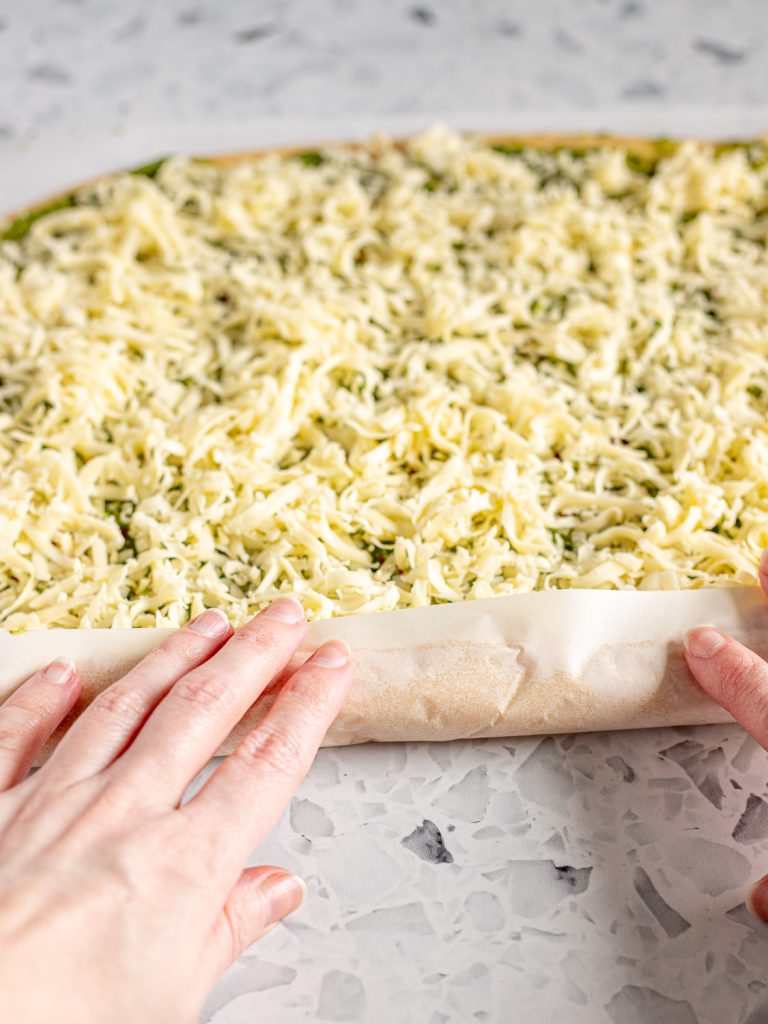
3. Add filling – spread the pesto evenly over the dough, then sprinkle with chilli flakes and any other add-ins, followed by the cheese.
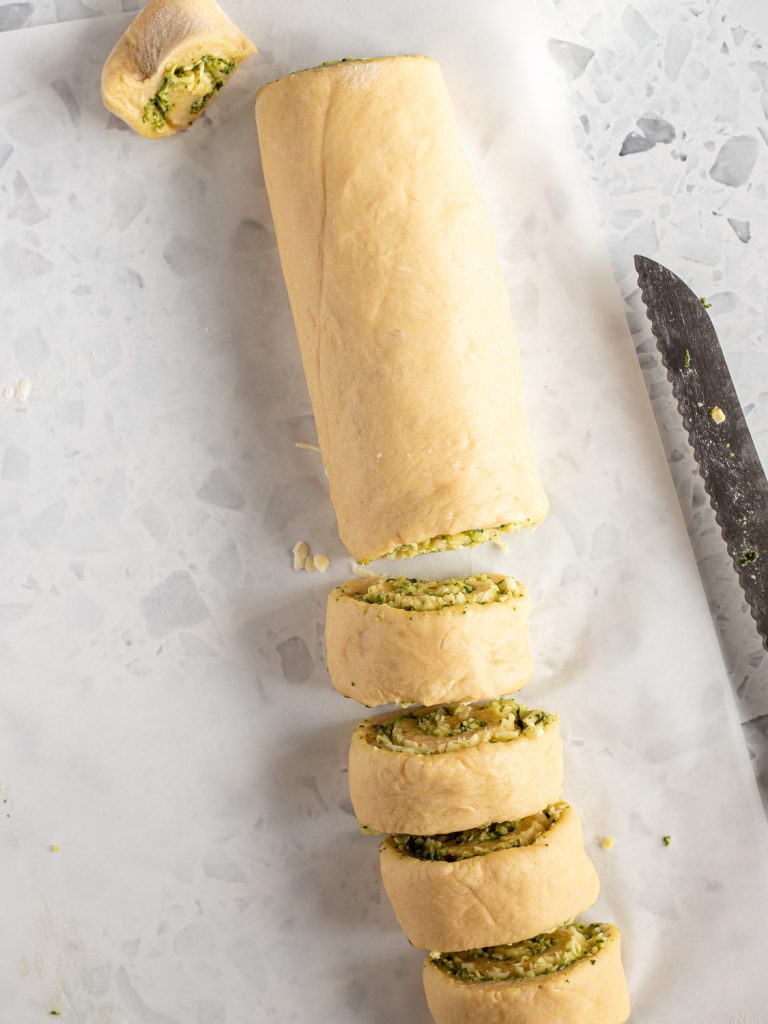
4. Roll into a log – Starting with the long edge closest to you, use the parchment paper to gently lift and fold the dough over itself. Peel the paper back and continue rolling into a log — similar to making a Swiss roll. Don’t try to roll the dough too tightly, or it won’t have room to rise and expand between the layers.
5. Slice – Trim off the messy, uneven ends, then cut the log into 9 pieces. To keep the spirals intact, I like to use a serrated bread knife. Alternatively, you can use unflavoured dental floss. Loop the floss around the log, cross it over the top, and pull to cut cleanly through the dough. Transfer the scrolls to the lined tin.
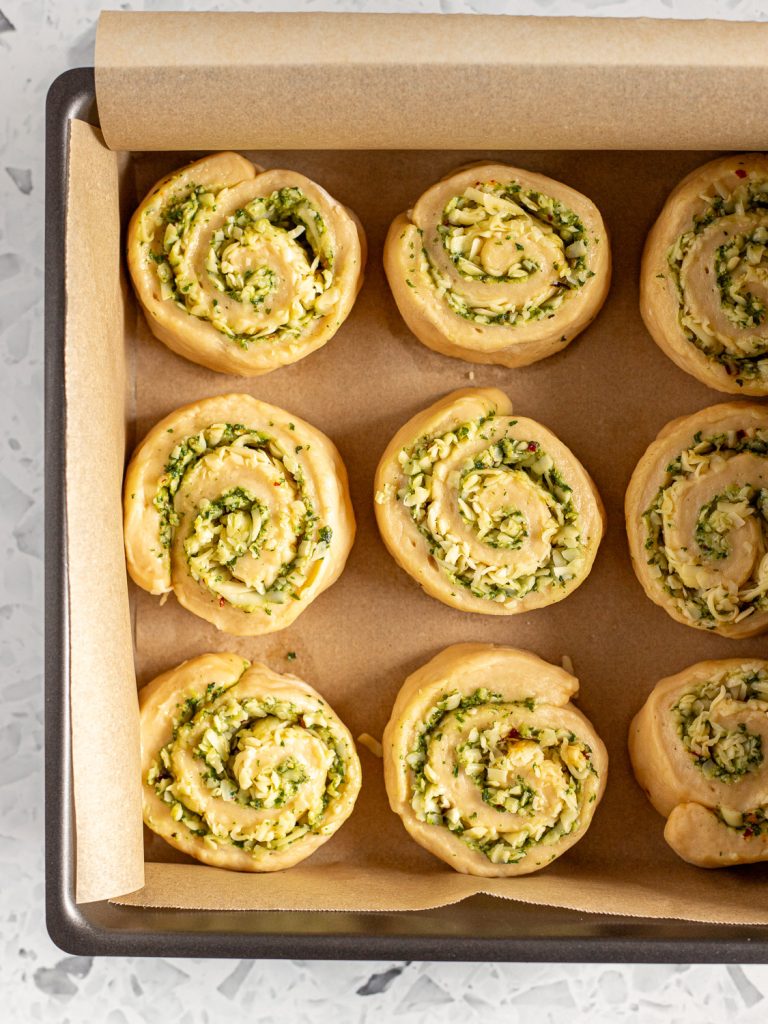
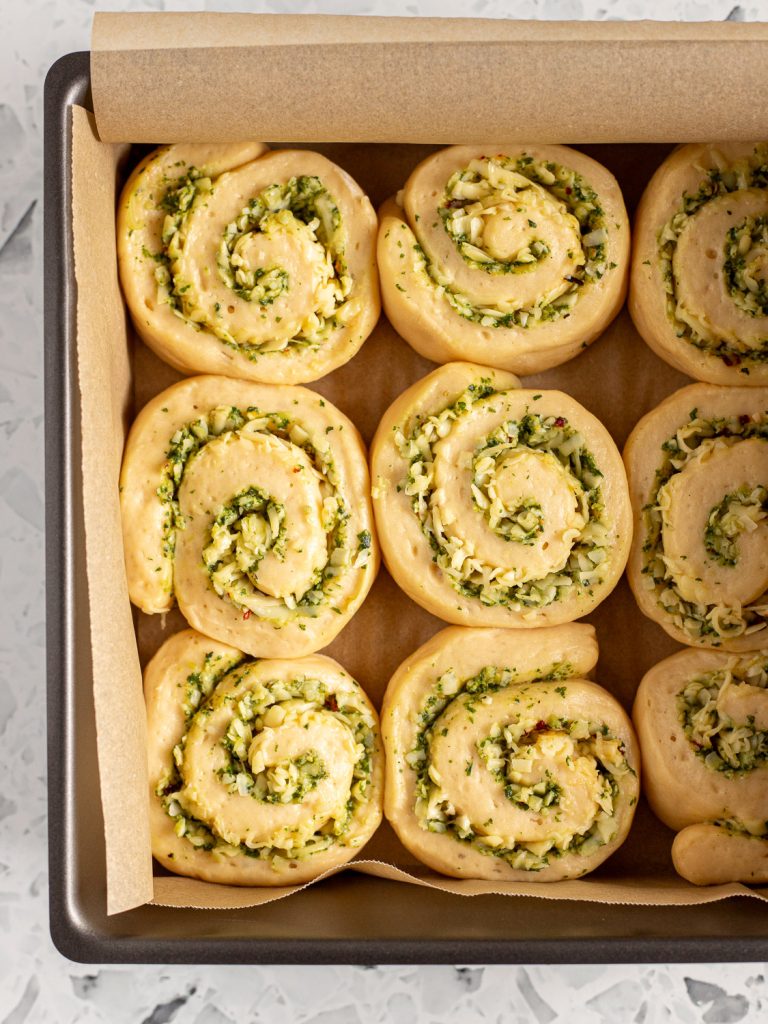
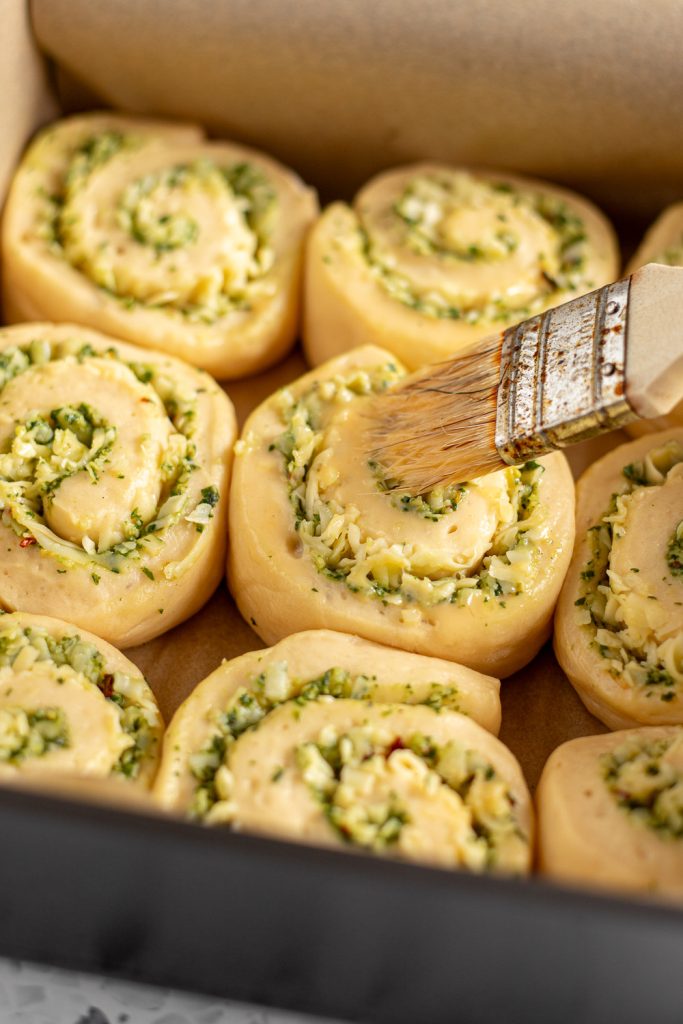
6. Rise # 2 – Cover the scrolls and let them rise for 40–50 minutes, or until they look puffy and are pressing against each other. They don’t need to fully double in size, but they should slowly spring back when you lightly poke the dough with your finger.
Bake
1. Preheat – When the scrolls are about halfway through their second rise, start preheating your oven to 200°C (180°C fan/400°C).
2. Bake – Brush the scrolls with egg wash and bake on the middle rack for about 25 minutes, or until they develop a lovely golden brown colour and no longer look doughy. Cool in the tin for 10 minutes, then use the parchment paper to lift them onto a wire rack and cool for another 5 minutes.
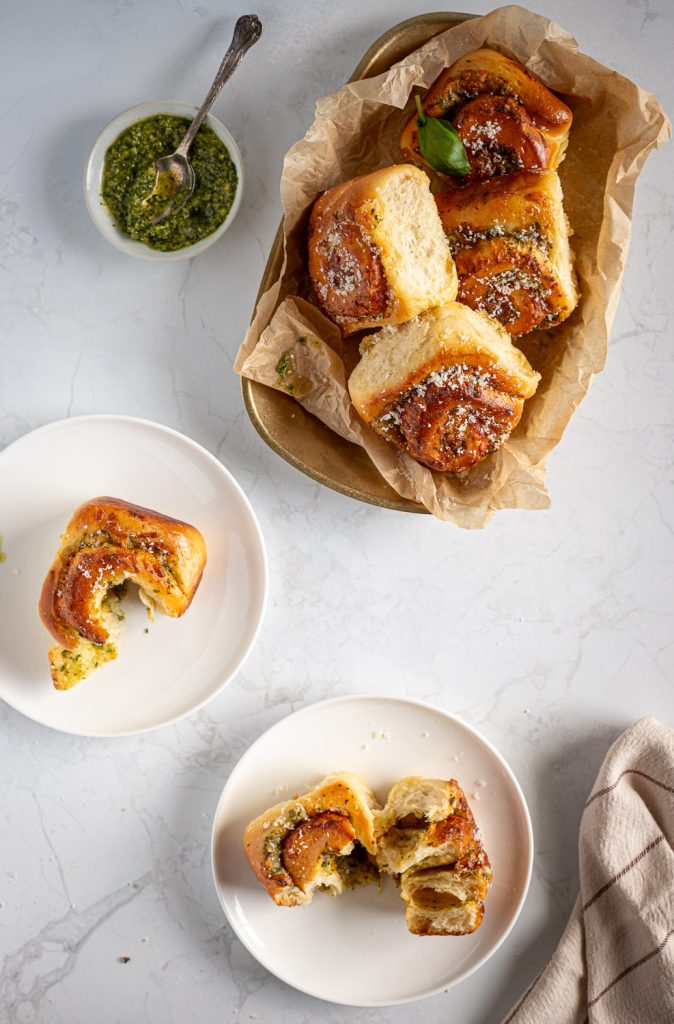
3. Serve – Top with some finely grated fresh parmesan and demolish!
Serving Suggestions
Truth be told, cheesy pesto scrolls are at their absolute best when they’re hot and fresh. BUT these can still hold their own at room temperature — you just won’t get that same pull-apart, gooey cheese effect. Here are a few ways that I like to serve them.
- With soup: Obviously! These with a bowl of creamy tomato or pumpkin soup are a match made for a cold night.
- Double the carbs: Serve alongside lasagne or other pasta dishes and use the scrolls to mop up the sauce!
- On the go: Pack them as-is for work lunches, kids lunchboxes, or weekend picnics.
- Light dinner: Nothing about cheese and bread sounds particularly light, but pair these scrolls with a simple green salad and you’ve got yourself an easy summer dinner.
FAQ
* Please note: all cup measurements are approximate and based on Australian standard cups (250ml). For best results, weigh your ingredients with a kitchen scale.
Equipment
- stand mixer with dough hook, optional (can knead by hand)
- 23 cm (9-inch) square baking tin, see notes for alternatives
Ingredients
- 330 g (2 ¾ cups, spooned and levelled) bread flour, sub plain (all-purpose) flour
- 2 ¼ tsp (1 x 7 g packet) instant yeast, see notes for active dry yeast
- 1 ½ tsp salt
- 1 tbsp honey
- 60 ml (¼ cup) olive oil
- 1 egg + 1 egg yolk, room temperature
- 140 ml (½ cup + 1 tbsp) warm water
- egg wash, 1 egg + 1 tbsp water or milk
For the filling
- 100 g (½ cup) homemade or store-bought pesto, drained of excess oil
- 40 g (½ cup) parmesan, grated, plus extra for serving
- 120 g (1 ¼ cup) mozzarella (firm, low-moisture kind), shredded
- ¼-½ tsp chilli flakes, adjust to taste
Instructions
Make the dough
- Add the bread flour to a large bowl, or the bowl of a stand mixer fitted with the dough hook. Place the salt and yeast on opposite sides, then add the remaining dough ingredients. Mix just until a rough ball forms.
- Knead for 8-12 minutes in a stand mixer on low speed or 12-15 minutes by hand, until the dough is smooth, elastic, and slightly tacky. If you're unsure whether it's kneaded enough, do the windowpane test (see blog post for details).
- Transfer the dough to a large, lightly greased bowl. Cover and let rise for about 1 hour, or until doubled in size.
Assemble the scrolls
- Line a 23 cm (9-inch) square baking tin with parchment paper, leaving some overhang on the sides for easy removal.
- Punch the dough down to deflate it, then turn it out onto the lightly floured sheet of parchment paper. Shape the dough into a rough rectangle, then roll it out to approximately 25 x 30 cm (10 x 12 in).
- Spread the pesto in an even layer over the dough. Sprinkle with chilli flakes (if using), followed by the parmesan and mozzarella.
- Starting with one of the long edges, use the parchment paper to help roll the dough into a log, peeling the paper away as you go. Finish with the seam side down.
- Trim both ends of the log to reveal a clean spiral, then cut into 9 scrolls using a serrated knife or unflavoured dental floss. Arrange the scrolls evenly spiral-side up in the prepared tin.
- Cover and let rise for about 40-50 minutes, until the scrolls are puffy, nearly doubled in size, and pressing into one another.
Bake
- Halfway through the second rise, preheat the oven to 200℃ (180℃ fan/400℉). Brush the tops of the scrolls with egg wash. Bake on the middle rack for 25 minutes, or until golden brown and cooked through.
- Let the scrolls cool in the tin for 10 minutes, then use the parchment paper to lift them onto a wire rack. Allow them to cool for a further 5 minutes. Finely grate some extra parmesan on top before serving.